Why “we’re doing fine” can be the most dangerous phase of a business
FEATURED
2/18/20263 min read
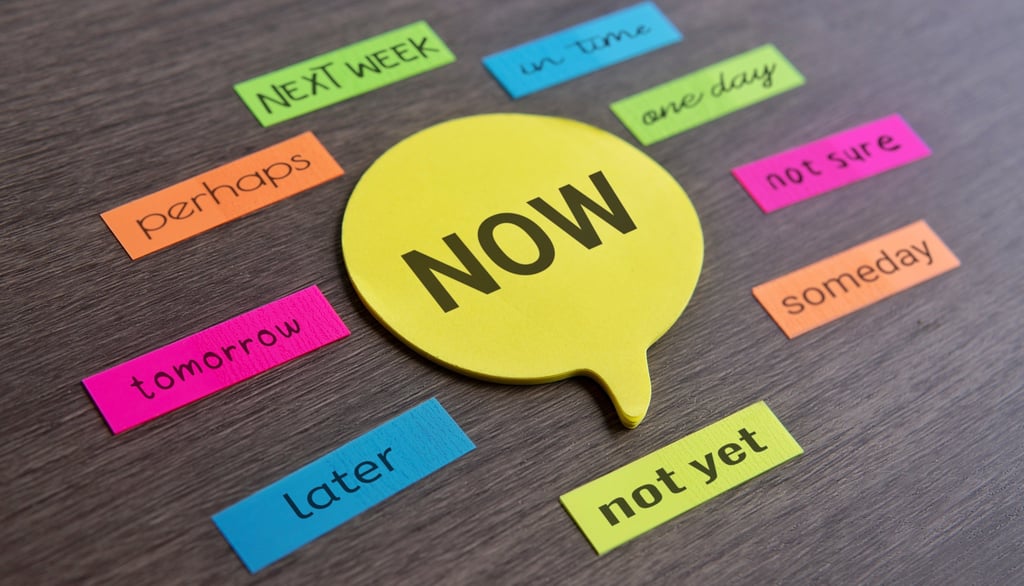
There’s a phase where business feels okay. Not amazing, not worrying. Just okay.
Sales are coming in, employees are working hard, and the bills are paid on time. Nothing feels urgent. It's comfortable.
So it’s easy to leave things as they are.
When you think of stepping back to review the business, the reaction is often, “We’re doing fine. Let’s just keep going.”
I understand thinking this way. I have been inside businesses at senior level and now I see it again and again as an independent advisor.
And in my experience, this phase can be the most dangerous one.
Not because anything is wrong today, but because this is when I see small problems that are allowed to grow.
- - - - - - - - - - - - - - - - - - - - - - - - - - - - - - - - - - - - - - - - - - - - - - - - - - - - - - - - - - - - - - - - - - - - - - - - - - - - - -
When things feel stable, these are some of the patterns I've seen creeping in.
Costs rise slowly and no one is really challenging them.
Processes get more complicated as workarounds are added instead of fixing the root of the issue.
Extra products or services get added because a customer asked, not because they make sense for the business.
Hard working employees are busy, but not always on the things that actually move the business forward.
Then the cracks start to show, but it builds up over time.
Margins start to slip, but cashflow is still carrying it, so no one really challenges it. Customers drift past payment terms, but it is not critical yet, so it gets tolerated, and some of those balances quietly turn into bad debts.
Surplus cash gets used to try new products or services, but when they are not working, no one is quick to call it because the business can afford to carry it for a while.
Overheads creep up, and without regular reviews, costs stay in place long after they have stopped adding real value simply because the business can afford it.
- - - - - - - - - - - - - - - - - - - - - - - - - - - - - - - - - - - - - - - - - - - - - - - - - - - - - - - - - - - - - - - - - - - - - - - - - - - - - -
None of this like a fire. So it's easy to let it continue. Plus as a business owner there are always so many urgent topics on the table with customers, employees etc..
But over time, the room for error gets smaller as reserves are eroded, and when pressure does come, the business has far less flexibility than it thinks.
That is when the same business that was “doing fine” suddenly feels under strain, and now in my experience the fixes take longer and cost more.
Very importantly though, this is also the phase where opportunities get missed.
- - - - - - - - - - - - - - - - - - - - - - - - - - - - - - - - - - - - - - - - - - - - - - - - - - - - - - - - - - - - - - - - - - - - - - - - - - - - - -
When profit and cash are not being actively looked after, it is much harder to say yes to things like:
Investing in better systems or automation
Launching a new product or service
Expanding into a new market
Hiring experienced people who can really strengthen the team
Not because the ideas are bad, but because the financial space is not there when it is needed most.
What I often see is that founders are working very hard in this phase, but the business is not always being prepared for the next stage.
It is being kept going, not always being strengthened.
And keeping things going is fine if your aim is to stay exactly where you are.
But most business owners I work with want more than that. More stability. More choice. More control over their time. More options in the future.
- - - - - - - - - - - - - - - - - - - - - - - - - - - - - - - - - - - - - - - - - - - - - - - - - - - - - - - - - - - - - - - - - - - - - - - - - - - - - -
That does not come from waiting until something breaks.
It comes from using the healthy times to ask better questions:
Where is profit and cashflow leaking out that no one is really tracking?
What are we doing out of habit rather than because it still makes sense?
If we wanted to grow, what would actually stop us right now?
How exposed are we to the next crisis?
These are not crisis questions. They are questions that future proof your business.
And they are much easier to answer when the business is not under pressure.
So the next time you catch yourself saying, “We’re doing fine, we’ll look at that later,” it might be worth pausing and asking:
Are we actually setting the business up for what comes next, or are we just relieved that nothing is wrong today?
Because in business, the best time to fix things is rarely when you are forced to. It is when you still have the space and control to do it properly.
Sharon Kearns
Business Growth Consultant.
Commercially minded, calm under pressure, and honest in my advice. I work closely with founders and leadership teams to bring clarity, confidence, and results.