The Overlooked Power of Common Sense in Business
7/2/20253 min read

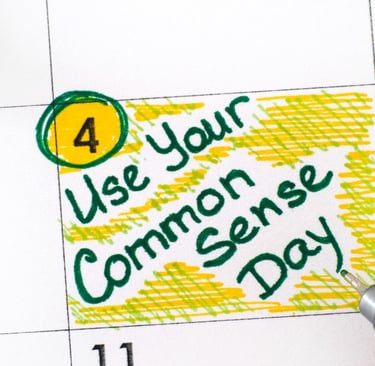
Last Friday I hosted a Lunch & Learn with ISME to share practical steps business owners can take to protect and grow their profit margins.
Afterwards, one business owner messaged me and said:
“Great presentation - everything you shared was good common sense… but that’s what we seem to lack most these days.”
And I’ve been thinking about that ever since - because it’s true.
We often overcomplicate things. We chase clever strategies, complex tech, or the next big idea… when sometimes, the real shift comes from doing what’s obvious - and doing it properly.
So today I’m sharing 7 common sense moves I’ve seen work again and again with business owners who want to grow profit without unnecessary chaos.
1. Tackle the obvious blocks
Watch your business day to day. Where are the bottlenecks? Where are the complaints? Fixing just one or two each week compounds fast.
Example: How fast does your team respond to a new customer enquiry? Could that process be quicker, clearer, more welcoming? Improving these basics often unlocks growth more than any “strategy day” ever will.
2. Play it forward
Before you make a decision, ask: - What’s the worst outcome? - What’s the best? - What’s most likely?
This stops poor small decisions from piling up - especially around stock, pricing, or staff. For example: A supplier offers you 15% off if you buy more stock. Sounds good - but play it forward. Will you sell it in time? Or will it eat your cash and space until you eventually discount it anyway?
3. People buy from people
No matter how digital we become, relationships still drive business. The warmth of a real conversation, the follow-up call that shows you care, the honesty when something doesn’t go to plan - these human touches build trust and loyalty. And loyal customers are far more profitable than constantly chasing new ones.
4. Simplify your offer
If your offer list reads like a restaurant menu, you’re probably confusing people. Listen carefully to what the customer really needs - then recommend one solution that best fits. The easier you make it to buy from you, the more likely they are to say yes.
5. Don’t be afraid of your numbers
Your numbers aren’t a judgment - they’re a tool. Whether it’s a dashboard, a one-pager, or a chat with your finance person, find a format that works for you. You deserve to know exactly how your business is performing - and what to do next.
6. A sale isn’t a sale until it’s paid
If you give credit to customers, run a credit check. Don’t get so excited about the deal that you forget to protect your cash. Use tools like Dun & Bradstreet to assess risk properly. Avoid relying on trade references - they’ll always give you their best ones.
7. You don’t have to have all the answers
And in fact - you simply can’t.
If every solution in your business starts and ends with you, you’re missing out on a huge opportunity. Your team is closer to the front line. They see the inefficiencies, hear the customer feedback, and spot the things that are slowing you down - often long before you do.
So instead of trying to carry it all, ask them: - What’s not working? - What’s slowing us down? - What would make your job easier and serve the customer better?
Even better - share your growth ambitions for the next year or two and involve them in brainstorming how you might get there. You’ll likely uncover ideas you hadn’t even considered.
And here’s the magic: when your team is involved in shaping the path forward, they’re far more likely to commit to it. They feel part of something, not just a cog in a machine. That’s how you build momentum from the inside out.
None of this is groundbreaking - but it works. And it’s often the difference between more stress and more progress.
What about you? What’s a simple, common sense habit that’s made a difference in your business? I’d love to hear - drop it in the comments and let’s share with others.
Sharon Kearns
Business Growth Consultant.
Commercially minded, calm under pressure, and honest in my advice. I work closely with founders and leadership teams to bring clarity, confidence, and results.